What Should You Wear and Bring to Phnom Kulen?
You are dressing for three places at once: a hot jungle road, a sacred hilltop pagoda, and a swim under a waterfall. A little planning covers all three.
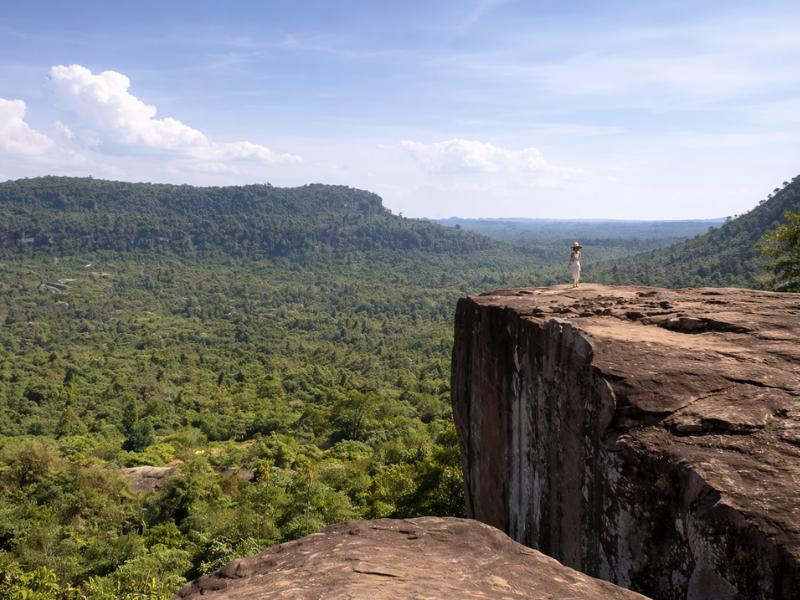
Your Phnom Kulen packing list at a glance
A starting kit, not a rule. Adjust for your own plans and the season you travel in.
Planning takeaway: Pack for the selected activity, including supplied versus personal equipment.
What should you wear to Phnom Kulen?
Dress light, cover up for the shrine, and plan to get wet. Loose, breathable clothing suits the heat, but the hilltop pagoda with the reclining Buddha is an active place of worship, so bring something that covers shoulders and knees. Wear or pack swimwear for the waterfall, plus sandals or shoes with grip for slippery rock.
Choose the kind of mountain day first, then compare current inclusions and the time you have.
Two things shape the wardrobe: the climate and the pagoda. Days on the mountain are hot and sticky, so cotton or quick-dry fabrics beat anything heavy. The catch is the hilltop shrine at Preah Ang Thom, an active pagoda where one of Cambodia's largest reclining Buddhas lies carved into a single boulder. Bare shoulders and short shorts are out of place there, so pack a light layer or a sarong you can slip on. Down at the waterfall the priority flips: you will want swimwear and something you do not mind getting wet, because the rocks around the pool stay slick. For the water-flow calendar that decides how wet your day is, see our guide to the best time to visit Phnom Kulen.
What footwear works for wet rock and the trails?
Bring grip. Water shoes or sport sandals with a real tread handle the mossy rock around the pool far better than flip-flops, which slide. For the standard day of waterfall, carvings and pagoda you do not need boots, but longer hikes to the remoter sites call for proper trail shoes. At the sanctuary itself you remove your shoes entirely.
Footing is the thing most people underestimate. The stepped path down to the lower fall stays damp with spray even in the dry months, and the sandstone by the pool wears a film of moss. Closed water shoes give you the surest grip in and out of the water; sturdy sport sandals are the next best thing. Smooth-soled slides or bare feet are how a fun swim turns into a bruised shin. If you plan to walk to the further carvings or trek in, swap to trail shoes and read the trekking and hiking guide for what the harder routes demand underfoot.
The pagoda climb is its own footwear moment. Reaching the reclining Buddha means a staircase and stretches of uneven stone, then bare feet on the sanctuary floor, since you take your shoes off before you step inside. Slip-on sandals you can remove quickly beat laced boots there. It is one more reason the do-everything choice is a grippy sandal or water shoe: sure on wet rock, and easy off at the shrine. We match you to the right trip at Phnom Kulen Tours.
What clothing covers heat, temple modesty and swimming?
Layer for three jobs at once. A light quick-dry top with loose trousers or a long skirt keeps the sun and mosquitoes off while covering shoulders and knees for the shrine. Wear swimwear underneath so you can strip down at the pool. A sarong is the single most useful item you can pack: cover-up, towel and sun shade in one.
The practical order saves a scramble. Put swimwear on before you leave the hotel, pull a loose shirt and light trousers over the top, and you are ready for the pagoda and the pool without hunting for a changing hut. Quick-dry fabric matters because the humidity keeps cotton damp for hours after a swim or a downpour. Nobody expects formal clothes on the mountain, just enough cover to be respectful where it counts, which is the same courtesy Cambodians extend at any temple. The carvings at the sacred riverbed and pagoda sit on actively venerated ground, so the modest layer earns its place there too.
What is the complete Phnom Kulen packing list?
Pack for heat, water and a sacred site. The essentials: swimwear worn underneath, grippy water shoes, a sarong or light layer for the pagoda, sun protection, insect repellent, a towel, a dry bag, plenty of water, and US$20 in cash per person for the park fee. Everything below earns its place, and the season decides the extras.
Here is the full kit by category, and why each item goes in the bag.
| Category | Item | Why it earns its place |
|---|---|---|
| Footwear | Water shoes or grippy sandals | Wet, mossy rock at the falls |
| Swim | Swimwear underneath plus a quick-dry towel | The lower pool is the swim; no rentals up top |
| Modesty | Sarong or a light shirt and trousers | Shoulders and knees covered at the shrine |
| Sun | Hat, sunscreen, sunglasses | Exposed viewpoints and the long drive |
| Rain | Packable rain layer | Afternoon downpours in the green season |
| Bugs | Insect repellent | Damp, shaded forest by the river |
| Water | Refillable bottle, 1.5 litres or more | Heat, humidity and few shops |
| Money | US$20 cash per person plus small bills | Fee is cash only; snacks, parking, tips |
| Tech | Dry bag for phone and camera | Spray at the fall and the pool itself |
The fee is separate from the Angkor Pass, so budget for it on top of your temple tickets; our guide to the park entrance fee and tickets breaks down exactly what it covers. If the swim is the whole point of your day, the two-tier waterfall guide shows how the pool changes through the year so you can pack to match.
Two items do more work than their size suggests. A dry bag turns your phone from a liability at the pool into something you can actually take photos with, and a refillable bottle matters because the heat and humidity pull water out of you faster than the thin scattering of stalls can sell it back. Fill it before you leave town, since the plateau is no place to be caught thirsty.
How does the season change what you pack?
The green season adds rain and mosquitoes; the dry season adds sun and dust. From roughly June to November, pack a light rain layer and more repellent, and expect slick rock and a fuller, deeper pool. From December to May, lean on sunscreen, a hat and extra water, since the falls run thinner, the air is dustier, and the heat bites harder by afternoon.
Season also steers what you come to do, which nudges the list at the edges. Here is how the two halves of the year change the bag.
| Item | Green season (Jun to Nov) | Dry season (Dec to May) |
|---|---|---|
| Rain layer | Pack it | Usually skip it |
| Insect repellent | Extra, reapply often | Some, less pressure |
| Sunscreen and hat | Still yes | Top priority |
| Drinking water | Plenty | Even more |
| Footing care | Slick rock, tread carefully | Firmer, still mossy by the pool |
| The swim | Fullest, deepest pool | Thinner, still swimmable |
If the swim is the reason you are going, aim for the fuller months. If you are heading to the remoter carvings rather than the main sites, swap sandals for real trail shoes and add water; the deeper question of a safe swim by season is covered in whether you can swim beneath the falls.
How much cash should you bring, and why?
Bring more than the ticket price in small bills. The park fee is US$20 per foreign visitor, cash only, and cards are not accepted on the mountain. Add a few dollars for parking, drinks, snacks from the vendors and a tip, and keep it dry in a sealed bag or a zipped pocket near the water.
The fee catches people out because they assume an Angkor Pass covers the region; it does not, and the mountain runs its own gate. Small US dollar notes save fuss, since change can be scarce at the stalls. If you would rather not juggle cash and timing at all, a guided day handles the entrance and transfers for you: the small-group mountain tour and the waterfall join-in tour both include the fee and the pickup, so you carry cash only for extras.
Budget a little above the fee itself. Beyond the US$20 gate charge, small costs add up over a day: parking, cold drinks, a snack from the palm-sugar villages on the way up, a modest tip. None of it takes cards, and an ATM is a long way back down the mountain, so the sensible move is to arrive with more small notes than you think you need and keep them dry near the water.
What should you not bring?
Leave the heavy and the fragile at home. You do not need hiking boots for a standard day, and stiff jeans or thick cotton just trap the heat. Skip anything you cannot afford to drop in the pool, keep valuables to a minimum, and do not count on buying swimwear, repellent or a towel up there, because there are no real shops on the mountain.
A short list of what to leave behind saves weight and worry.
| Leave at home | Why |
|---|---|
| Hiking boots (for a standard day) | Overkill; grippy sandals do the job |
| Heavy jeans or thick cotton | Traps heat and dries slowly after a swim |
| Valuables you cannot lose | Basic facilities and water everywhere |
| Any plan to buy gear up there | No real shops; bring swimwear and repellent |
| Single-use plastics where avoidable | Litter near the pool is a known problem |
The litter point is worth taking seriously, since the busy picnic zone by the falls collects rubbish; carry yours out. And treat the pagoda dress code as a firm line rather than a suggestion, because immodest clothing at the shrine reads as disrespect. For how long the whole outing runs so you can pack the right amount, see how much time you need at Phnom Kulen.
What changes when you bring kids?
The pool is popular with families in the green season, so pack for a swim day. Kids want swimwear worn underneath, water shoes for the slick rock, sun protection, insect repellent and snacks, plus a change of dry clothes for the ride home. Keep a close eye near the moving water, and pick a fuller-flow month for the best swim.
Small extras make a hot, logistics-heavy day smoother with children: a couple of familiar snacks, a hat that actually stays on, and a dry bag for a spare outfit. Restrooms and changing spots on the mountain are basic, so the wear-swimwear-underneath trick helps most with kids. A guided day takes the driving and the road timing off your hands, which frees you to watch the little ones at the pool rather than the clock.
Set expectations for the facilities before you go. Restrooms on the mountain are basic, shade is patchy at the exposed viewpoints, and the plateau is not lined with shops, so anything a child might need over a long, hot day is worth carrying from town. In the green season the pool is at its fullest and most fun for families, though the current runs stronger then too, which makes the close eye near the water less optional than it sounds.